Integrated Reward Frameworks: Connecting Slot Sequences, Simulated Dealer Interactions, and Predictive Events via Adaptive Networks

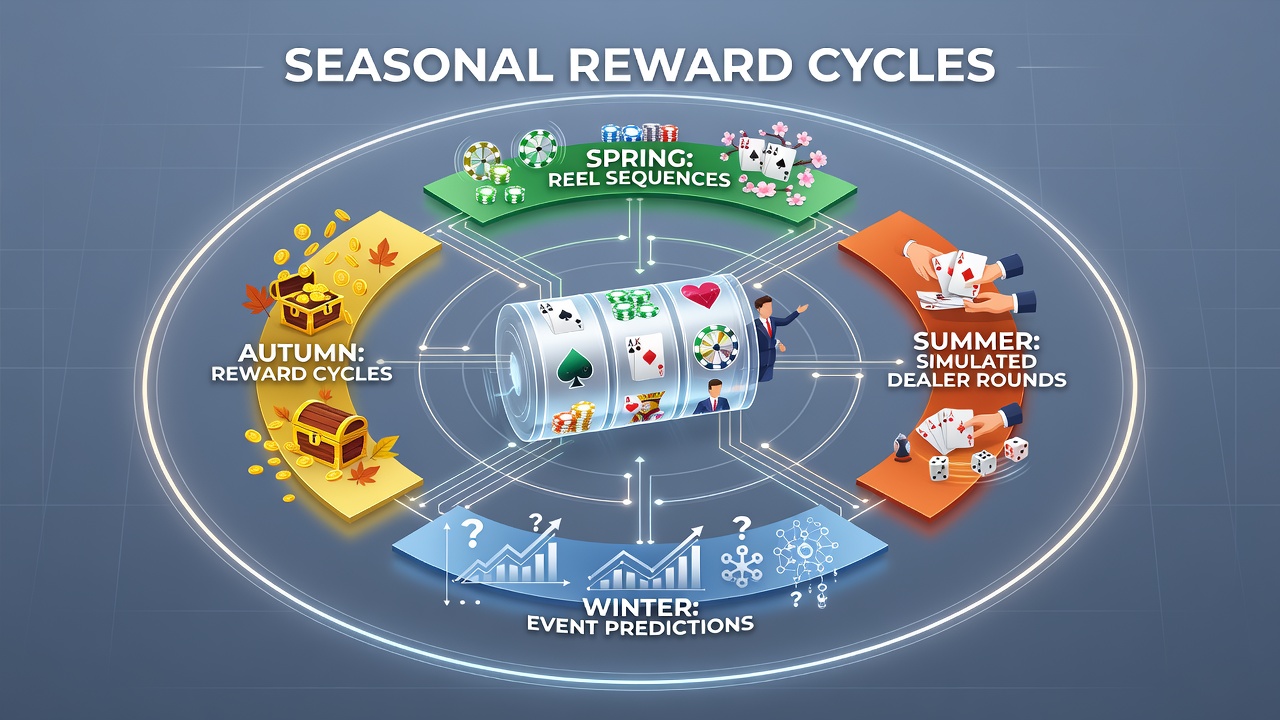
Seasonal reward cycles operate through coordinated systems that align reel sequences from slot games with simulated dealer rounds and event predictions, all routed via adaptive transaction networks that adjust based on player activity patterns and seasonal triggers. These frameworks process data from multiple game types simultaneously, allowing rewards earned on slots to influence credit allocations in dealer simulations while incorporating forecasts for upcoming events such as sports matches or tournaments.
Operators deploy these cycles during specific periods, including holiday seasons and major sporting calendars, to maintain consistent engagement across platforms. Transaction networks adapt in real time by monitoring sequences of spins, bets placed at virtual tables, and prediction accuracy rates, then redistribute promotional credits accordingly. Research from the University of Nevada's gaming studies department shows that such integrations increase session durations by linking outcomes across categories rather than isolating them.
Reel Sequence Mechanics in Seasonal Cycles
Reel sequences form the foundational layer where random number generators produce symbol combinations that feed directly into reward calculations. During peak seasonal periods like June 2026, systems track consecutive wins or near-misses on slots and route portions of those results into shared pools that support dealer round bonuses. Adaptive networks evaluate the frequency and value of these sequences against historical benchmarks, then trigger adjustments that carry over to other game modules without requiring separate player actions.
Analysts observe that platforms using these methods report higher retention when reel data influences simulated environments, because the connections create a unified progression path. Transaction layers handle the transfers by converting reel-based points into dealer credit equivalents through predefined algorithms that account for volatility levels in each sequence type.
Simulated Dealer Rounds and Cross-Game Linkages
Simulated dealer rounds replicate live table experiences through algorithmic opponents that respond to player decisions in blackjack, roulette, and similar formats. Seasonal cycles integrate these rounds by pulling metrics from reel sequences, such as hit rates or bonus triggers, to determine entry thresholds or multiplier applications. Networks adapt the difficulty or payout structures of dealer sessions based on aggregated prediction data from event modules, ensuring that performance in one area modifies opportunities in another.
Figures from the Canadian Partnership for Responsible Gambling indicate that integrated dealer simulations tied to seasonal reward structures see participation rates rise notably when linked to slot data streams. The networks employ machine learning models to predict optimal timing for these linkages, adjusting for regional event calendars and player demographics collected through transaction histories.
Event Predictions Within Adaptive Networks
Event predictions extend the cycle by incorporating forecasts for outcomes in sports, esports, or promotional tournaments, with accuracy influencing reward multipliers that flow back to reel and dealer components. Adaptive transaction networks process these predictions alongside reel sequences and dealer results, creating feedback loops where correct forecasts boost available credits for subsequent simulated rounds or slot entries. Systems update prediction models continuously using data aggregated from thousands of user interactions, allowing seasonal adjustments that align with global event schedules.
Industry reports compiled by the Asia Pacific Association of Gaming Regulators highlight how prediction accuracy thresholds determine the scale of reward distribution, wth networks reallocating resources toward categories showing stronger cross-link performance. This approach maintains balance across game types while responding to seasonal spikes in specific prediction markets.
Technical Implementation of Transaction Networks
Adaptive transaction networks rely on secure protocols that authenticate and route value transfers between game modules without exposing underlying algorithms to end users. Seasonal cycles activate through scheduled parameters that increase connection density between reels, dealers, and predictions during designated windows, such as extended summer periods in 2026. Data encryption standards ensure that sequence tracking, round simulations, and forecast integrations remain isolated yet interoperable.
Observers note that these networks scale by distributing computational loads across cloud infrastructures, enabling real-time responses to volume changes during high-traffic seasonal events. Integration points between modules use standardized APIs that facilitate the movement of reward units while preserving audit trails for regulatory compliance in multiple jurisdictions.
Conclusion
Seasonal reward cycles demonstrate measurable connectivity between reel sequences, simulated dealer rounds, and event predictions when supported by adaptive transaction networks. Data patterns from multiple regions confirm that these linkages operate through scheduled adjustments and algorithmic routing rather than isolated features. Continued development in network adaptability supports expanded applications across gaming platforms as seasonal calendars evolve.