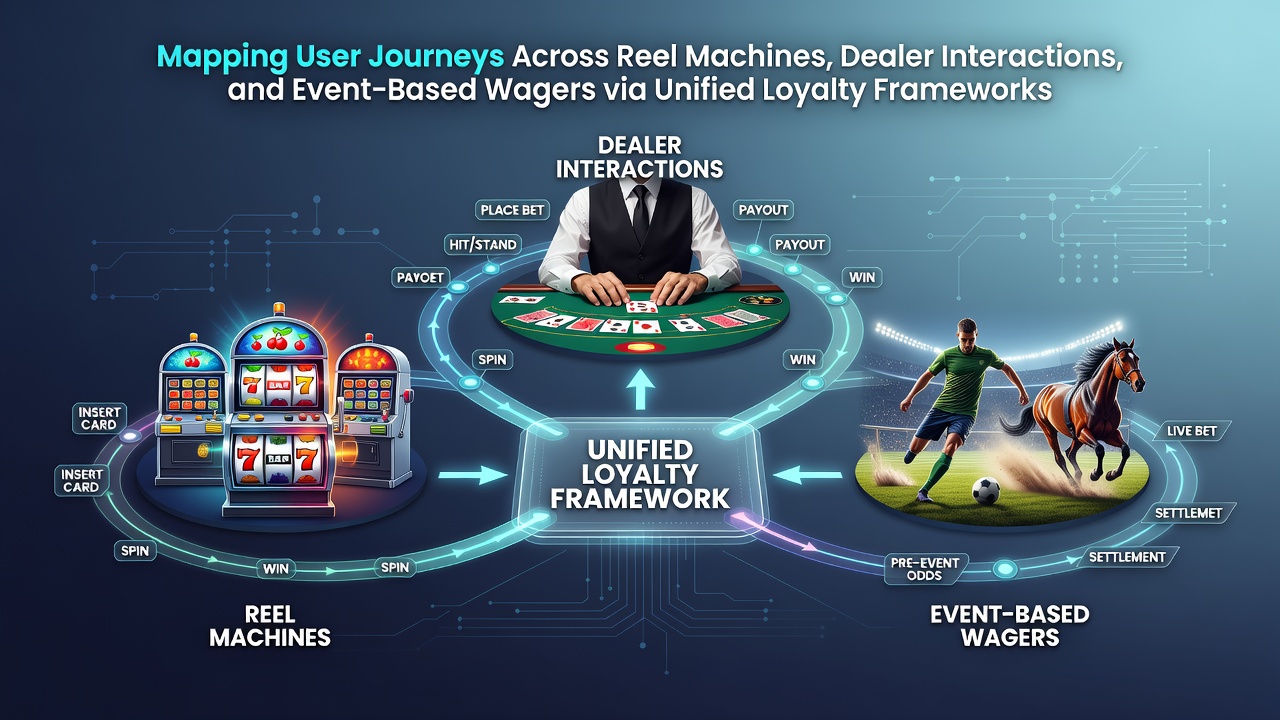
 Operators have developed unified loyalty frameworks that track player activity across reel machines, dealer interactions, and event-based wagers in a single profile system. These platforms assign points based on bet volume and game type while applying multipliers that adjust rewards according to activity segments. Data from multiple verticals feeds into one database, which allows real-time updates to tier status and redemption options without requiring separate logins or cards for each category. Reel machines contribute base points through coin-in metrics, while dealer tables add value through time spent or average bet size, and sports wagers contribute based on stake amounts and event outcomes. The framework merges these inputs so a player who starts on slots can carry accumulated credits directly into live dealer sessions or live betting markets. Integration relies on API connections between game servers and the central loyalty engine, which records every transaction with timestamps and device identifiers to maintain accuracy across sessions. Studies from the American Gaming Association show that operators using single-profile loyalty systems record higher cross-vertical engagement rates compared with segmented programs. The data indicates players who receive unified points move between slots and tables more frequently because the system presents personalized offers that reflect total activity rather than isolated play. Researchers at the University of Nevada Reno documented similar patterns in reports covering multi-channel reward structures, noting that unified tracking reduces point fragmentation and increases redemption rates for non-cash prizes.
Tracking Mechanisms and Data Flow
Central databases collect raw transaction logs from reel machines through slot management systems, from dealer tables via table game interfaces, and from sportsbooks through betting platform APIs. Each entry includes player identifier, wager amount, game category, and outcome result, which the loyalty engine processes into standardized point values. Algorithms apply weighting factors so high-margin activities such as live blackjack or in-play football bets may earn accelerated points during promotional windows, while standard slot spins follow fixed rates. This weighting occurs automatically and updates player dashboards within seconds of each completed wager.
Event-based wagers receive special handling when tied to specific leagues or tournaments, allowing temporary bonus multipliers that expire after the event window closes. The system flags these periods in advance, notifying players through the same mobile or kiosk interface used for slot and table play. Observers note that this approach keeps all activity visible in one journey map rather than scattering records across separate applications.
Player Path Examples in August 2026 Operations
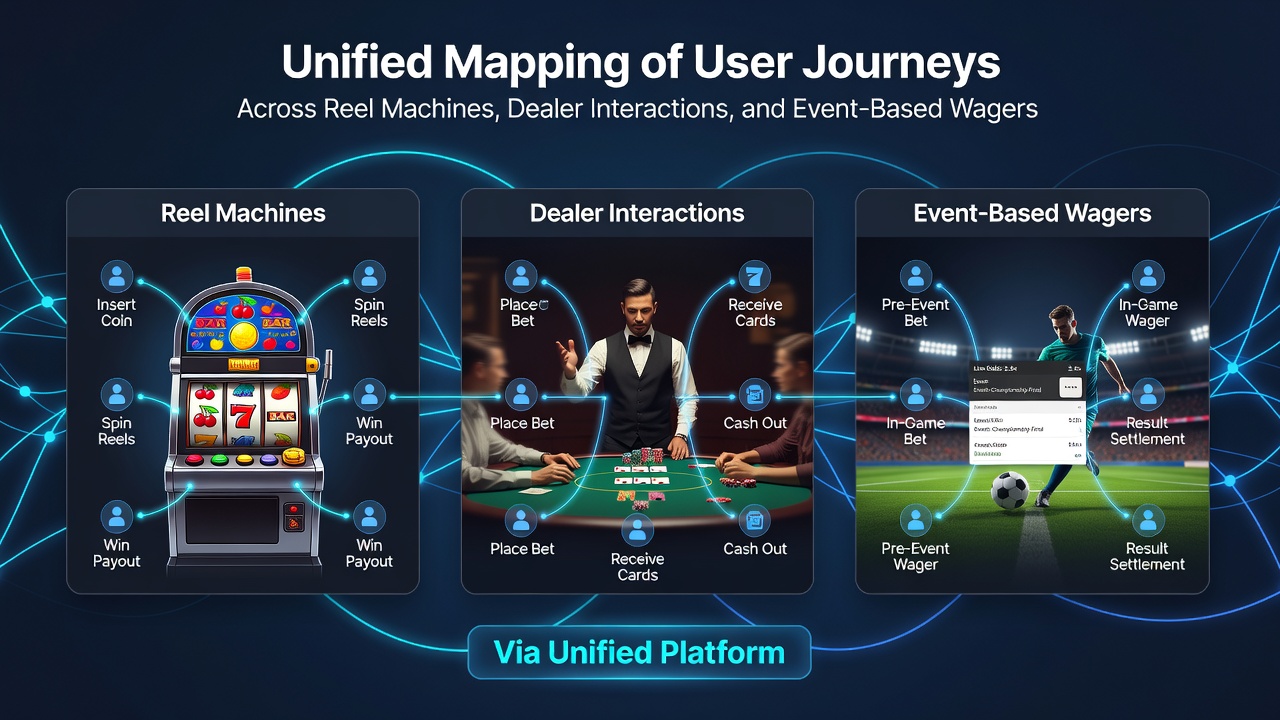
One documented path shows a player depositing funds, completing 200 spins on video reels, then moving to a live roulette table where the same profile balance applies dealer interaction bonuses, and finally placing an in-play wager on a tennis match using remaining credits. The loyalty engine registers each step under one account number, calculates combined points, and issues a tier upgrade notification that unlocks faster cashouts across all three categories. Canadian regulatory filings from the Alcohol and Gaming Commission of Ontario record similar cross-product flows in licensed operations, confirming that unified systems handle these transitions without manual intervention.
Another sequence involves players who begin with sports futures, earn points during a multi-week tournament period, and then apply those points to free spins on reel machines or comped dealer sessions. The framework stores historical data so future offers reference the entire sequence rather than single vertical results. Industry reports from the European Gaming and Betting Association highlight that such continuity improves retention metrics because players see consistent progress regardless of where they choose to play on any given day.
Technical Integration Points
Unified frameworks depend on standardized data schemas that convert different game outputs into comparable loyalty units. Slot systems export coin-in and coin-out figures, dealer management platforms export average bet and hands-per-hour statistics, and sportsbook engines export settled stake totals. Middleware layers normalize these values before they reach the central rewards engine, which then applies business rules for tier progression adn offer eligibility. Security protocols encrypt each data packet, and audit logs capture every point adjustment to meet compliance requirements across jurisdictions.
Operators test these connections during scheduled maintenance windows, including those planned for August 2026 system upgrades, to verify that player journeys remain uninterrupted when new game titles or betting markets are added. The testing process includes simulated paths that start on reels, move through dealer interactions, and conclude with event wagers to confirm point accuracy at every stage.
Conclusion
Unified loyalty frameworks create continuous tracking across reel machines, dealer interactions, and event-based wagers by consolidating transaction data into single player profiles. The resulting journey maps support real-time tier updates and cross-category redemptions without requiring players to manage separate accounts. Regulatory records and industry research confirm these systems increase measurable engagement when implemented with consistent data standards and secure API connections. Operators continue to refine weighting rules and event multipliers to align point earnings with overall business objectives while maintaining one coherent view of each player's activity.