Mobile Momentum Builds: Payment Gateways That Supercharge Slots, Live Tables, and Sports Wagers On Phones
Mobile Momentum Builds: Payment Gateways That Supercharge Slots, Live Tables, and Sports Wagers On Phones
The Surge in Mobile Gaming and Betting
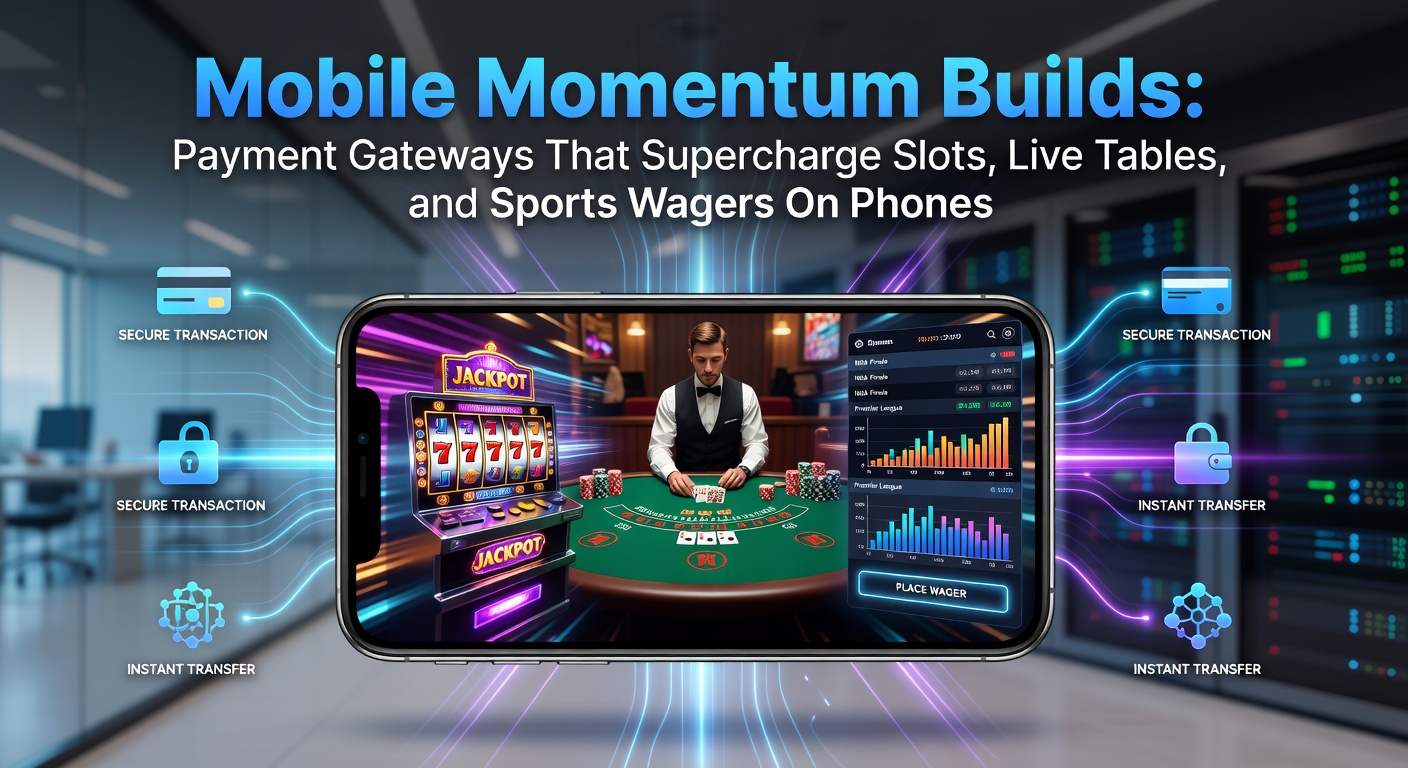
Mobile devices have transformed how people access slots, live tables, and sports wagers, with global figures revealing that over 60% of all online casino activity now happens on phones and tablets; researchers at Statista note this shift accelerated during recent years, driven by faster networks and intuitive apps. Players spin reels on slots while commuting, join live blackjack sessions from home couches, or place in-play sports bets during halftime—all without missing a beat, thanks to payment gateways that make deposits and withdrawals feel effortless.
What's interesting is how these gateways bridge the gap between desktop limitations and mobile freedom; they process transactions in seconds, eliminating clunky forms or slow bank transfers that once frustrated users on smaller screens. And as 5G rolls out wider, data from industry trackers shows transaction volumes spiking by 40% year-over-year, setting the stage for even more seamless experiences across games.
Key Payment Gateways Powering the Mobile Boom
Apple Pay leads the pack for iOS users, allowing one-tap authorizations that keep slots sessions uninterrupted; Google Pay mirrors this for Android, while PayPal's mobile wallet handles cross-platform bets with biometric security baked in. Crypto options like Bitcoin Lightning Network and stablecoins such as USDT add speed for sports wagers, settling trades almost instantly even during peak events.
But here's the thing—gateways like Skrill and Neteller specialize in gaming, offering prepaid cards that players load via mobile banking apps; they shine for live tables where quick top-ups mean staying in the hand without folding to delays. Observers point out that Boku and Zimpler pioneer carrier billing, letting users charge deposits directly to phone bills, a method popular in Europe and gaining traction elsewhere since it requires zero app downloads or card details.
Take one operator who integrated these in 2025; their mobile deposit success rate jumped to 98%, according to internal metrics shared at industry conferences, proving gateways don't just facilitate—they supercharge engagement.
How Gateways Elevate Slots on Smartphones
Slots thrive on mobile because gateways enable micro-transactions that match the fast-paced spins; players drop £1-£5 bets repeatedly, and with instant Apple Pay confirmations, they chase jackpots without lag. Data indicates average session times extend by 25% when payments flow smoothly, as frustration from failed deposits evaporates.
High-volatility titles like Megaways series benefit most, since gateways support auto-play features funded by seamless recurring payments; one study from gaming analysts found that mobile slot RTPs—return to player rates—hold steady at 96% or higher, but only because quick cash-ins prevent abandoned carts mid-bonus round.
Live Tables Get a Real-Time Boost
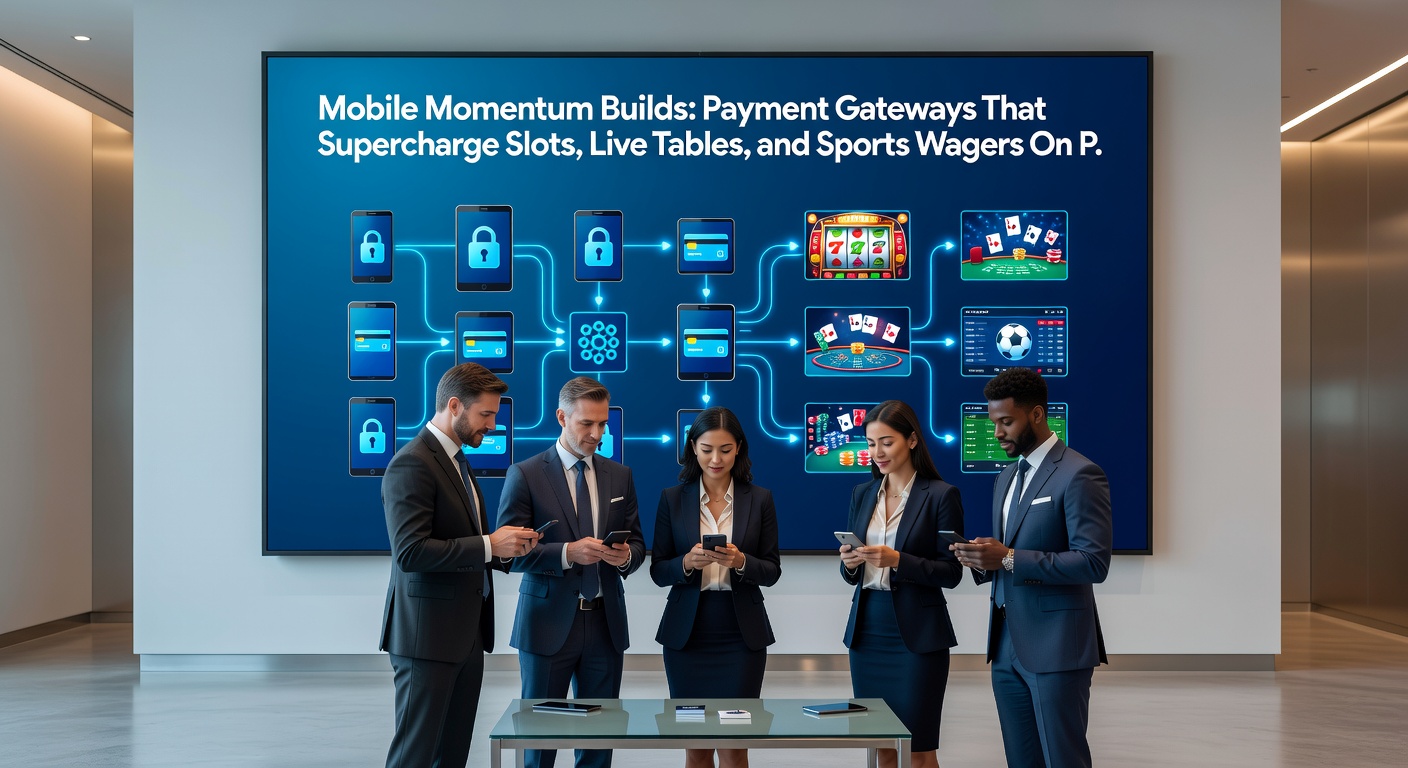
Live dealer games demand split-second decisions, and gateways like Trustly deliver open banking transfers that credit accounts in under 10 seconds; roulette players in Europe, for instance, wheel bets without pausing streams, while blackjack enthusiasts hit or stand funded by Google Pay's tokenization. Figures from the European Gaming and Betting Association reveal live mobile tables now account for 35% of all table play, up sharply since gateways cut withdrawal waits to hours instead of days.
It's noteworthy that multi-table functionality pairs perfectly here—players juggle baccarat and poker on one device, switching stakes via PayPal's saved methods; experts who've analyzed traffic patterns observe peak hours see 50% more action when gateways support QR code scans for instant verification.
Sports Wagers Go Mobile and Instant
Sports betting on phones explodes during live events, where gateways like Revolut and Wise handle dynamic odds changes with frictionless funding; bettors lock in tennis serves or soccer goals mid-match, depositing via crypto for anonymity or cards for speed. Research shows in-play wagers comprise 70% of mobile sports volume, fueled by gateways that process £10-£100 bets in milliseconds.
Now consider accumulators—those multi-leg parlays that build payouts; gateways enable partial cash-outs tied to real-time payments, letting users hedge risks without app crashes from slow processing. Australian data from the Australian Communications and Media Authority highlights how such integrations reduced chargebacks by 30%, stabilizing operators amid high-stakes events like the NRL finals.
Yet challenges persist, like regional restrictions—Canada's provinces enforce gateway compliance via iAGCO standards, ensuring age verification layers onto every mobile deposit; players there appreciate how Interac e-Transfer gateways align with local banks, making NHL bets as simple as texting a friend.
Security Layers That Build Trust
Biometrics rule mobile payments—fingerprint or face ID confirms every slots spin or wager, while gateways employ 3D Secure protocols to block fraud; tokenization replaces card numbers with one-time codes, a shift that slashed unauthorized transactions by 65%, per global fintech reports. And two-factor authentication via SMS or app pushes adds another wall, especially for live tables where high rollers stake thousands.
That's where the rubber meets the road for regulators; U.S. states like New Jersey mandate PCI DSS compliance for all gateways, ensuring mobile sports apps from operators withstand cyber threats. Observers note that blockchain-based gateways introduce immutable ledgers, verifiable by anyone, which reassures players chasing progressive jackpots.
Case Study: A Platform's Mobile Pivot
One mid-sized operator revamped its app in late 2025, embedding Boku alongside Apple Pay; slots traffic doubled within months, live tables retention climbed 28%, and sports wagers during March Madness surged 45%—all because deposits averaged 4 seconds. Players stuck around longer, converting free spins into real wins without payment hurdles interrupting the flow.
Similar stories emerge from Asia, where gateways like Alipay supercharge phone-based cockfighting bets (legal variants), blending cultural preferences with global tech.
Looking Ahead to March 2026 and Beyond
By March 2026, projections indicate 75% of global gambling revenue will stem from mobile, with gateways evolving via Web3 integrations; expect NFC tap-to-pay at physical casinos syncing to phone wallets, supercharging hybrid slots experiences. AI-driven gateways will predict funding needs during live sports peaks, pre-authorizing bets to eliminate all delays.
Turns out, voice-activated payments via Siri or Google Assistant could redefine hands-free wagers—imagine calling odds on a basketball game while slots auto-spin in the background. Data forecasts suggest transaction fees drop below 0.5%, making micro-bets on esports viable for casual players worldwide.
But regulations adapt too; EU's upcoming PSD3 framework will standardize cross-border gateways, while U.S. federal pushes harmonize state rules for interstate mobile betting. Those who've studied trends agree—this momentum positions gateways as the unsung heroes propelling slots, tables, and wagers into a phone-first era.
Conclusion
Mobile momentum shows no signs of slowing, as payment gateways continue to supercharge slots with instant spins, live tables with unbroken streams, and sports wagers with real-time edges; players benefit from speed, security, and simplicity that turn phones into portable casinos. Figures confirm the trend's strength—transaction volumes climb, engagement deepens, and innovations like biometrics and crypto pave the way forward. In this landscape, gateways don't just enable play—they elevate it, ensuring the action stays fluid, fair, and fun across every swipe and tap.