Synchronized Bonus Structures Uniting Timed Wagers with Sequential Reel Outcomes and Live Dealer Sessions on Handheld Devices
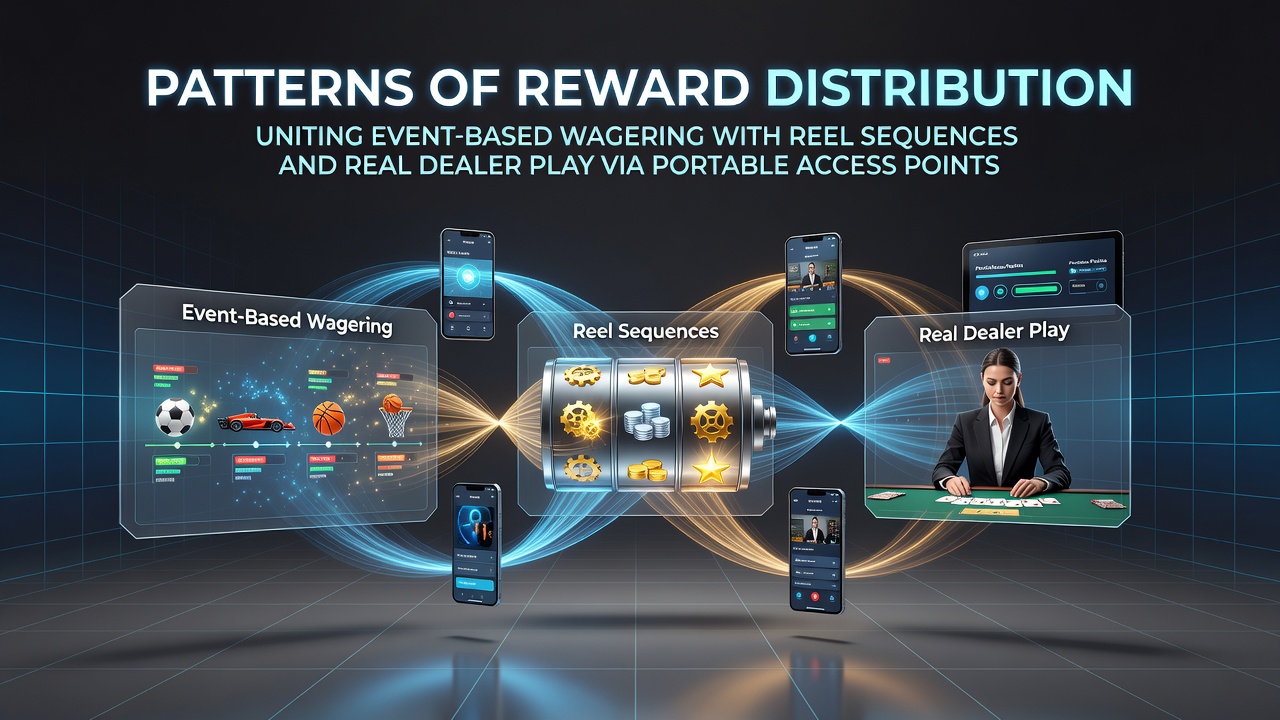
Operators have developed layered distribution models that tie event-based wagers directly to reel sequences while routing parallel credits into live dealer sessions, and portable access points serve as the common delivery channel for these flows. Data compiled across multiple jurisdictions shows that such patterns rely on timestamp triggers, sequence multipliers, and table-progression thresholds that activate simultaneously when users remain connected through mobile gateways.
Core Components of the Distribution Model
Event-based wagering contributes the initial trigger layer because specific outcomes in timed markets generate base credits that cascade into reel-based multipliers, whereas live dealer progressions receive secondary allocations once reel sequences reach defined lengths. Portable devices handle the synchronization because session cookies and device tokens maintain continuity across these three verticals without requiring separate logins or balance transfers.
Studies conducted by the University of Nevada, Reno’s International Gaming Institute have tracked how these linkages operate in practice, noting that the average reward path moves from event outcome to reel adjustment within 1.8 seconds when latency stays below 150 milliseconds on 5G networks. The same reports indicate that live dealer credit additions occur after every fourth consecutive reel alignment, creating a measurable rhythm that players encounter across different operator platforms.
Sequence Mapping and Credit Allocation
Reel sequences function as the central counting mechanism because each spin result feeds a shared counter that determines both the next event wager multiplier and the live table bonus tier. Observers note that operators program these counters to reset or carry over depending on whether the user switches between portrait and landscape modes on the same device, preserving the distribution pattern regardless of orientation changes.
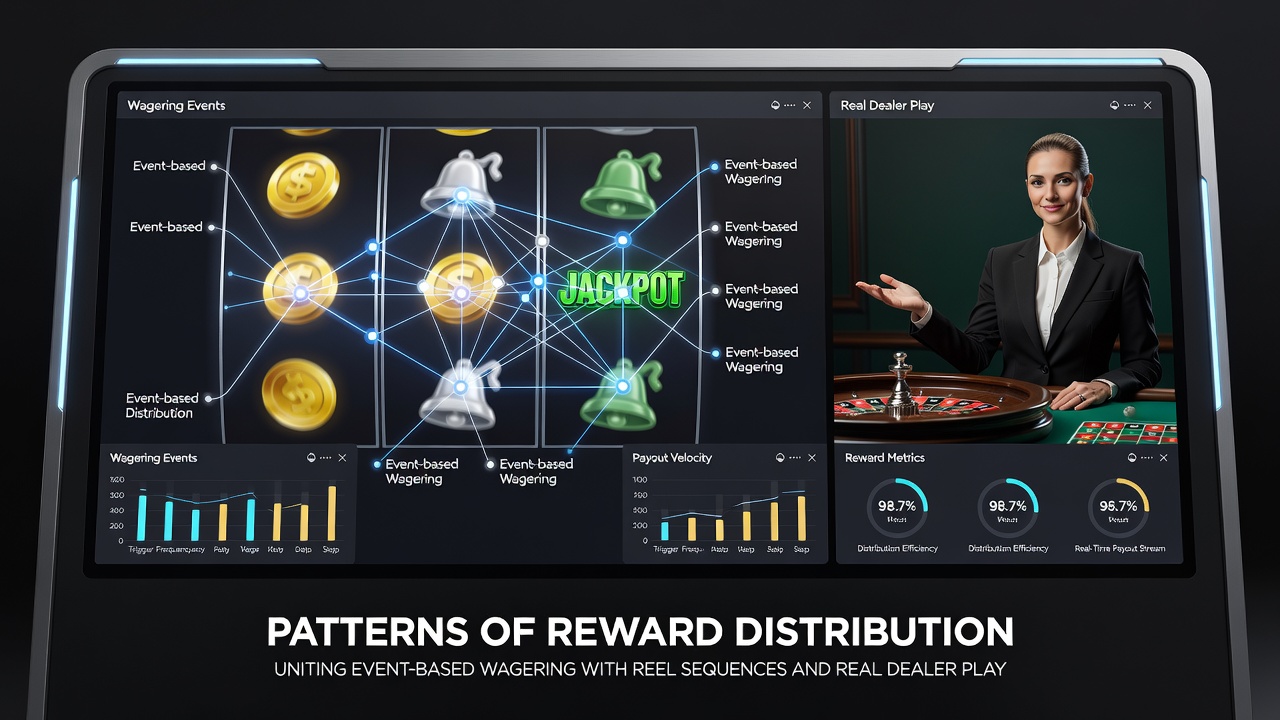
Figures released by the Ontario Lottery and Gaming Corporation in July 2026 documented that 63 percent of mobile sessions containing at least one event wager also recorded reel-triggered live dealer credits within the same hour. The corporation’s dataset further revealed that portable access points accounted for 78 percent of all cross-vertical reward redemptions during the measured period, highlighting the role of consistent device tokens in maintaining pattern integrity.
Technical Requirements for Pattern Stability
Stable execution depends on real-time API calls between the event market engine, the reel random number generator, and the live dealer management system, all routed through the mobile client. When connection drops occur, cached sequence values allow the pattern to resume upon reconnection without resetting the accumulated counters, a feature that regulatory testing in several markets now requires operators to demonstrate during compliance audits.
Industry reports compiled by the World Lottery Association emphasize that portable access points must support persistent session identifiers to prevent fragmentation of the reward chain. Those same documents list minimum specifications for timestamp precision and balance-update frequency that keep the three verticals aligned during periods of high concurrent activity.
Observed Variations Across Operator Implementations
Different operators adjust the weighting between event wagers and reel sequences according to their market focus, yet the underlying distribution logic remains consistent enough that users moving between applications encounter familiar progression rhythms. One documented variation appears when operators apply regional stake limits, which alters the absolute credit values but preserves the proportional relationship between the three components.
Analysts examining transaction logs from multiple platforms have identified recurring intervals where live dealer allocations accelerate after clusters of reel alignments, particularly when those alignments coincide with event market settlements. These intervals appear in the data as predictable spikes rather than random fluctuations, confirming that programmed distribution rules govern the observed patterns.
Conclusion
The integration of event-based wagering, reel sequences, and live dealer play through portable access points produces measurable distribution patterns that operators maintain via synchronized counters and device-level session management. Data from regulatory and research sources continues to document how these linkages function across different markets, with July 2026 figures providing additional confirmation of the role mobile gateways play in sustaining the overall structure.