The Currency of Play: Mapping Financial Pathways That Connect Athletic Predictions with Chance Mechanics on Handheld Devices

Financial pathways on handheld devices now link athletic predictions directly to chance-based mechanics through layered payment systems and promotional structures that move funds between sports wagers and casino-style games without requiring separate accounts or transfers in many cases. Developers design these connections so that a successful prediction on a football match can generate credits usable on slot reels or table games within the same application ecosystem, while deposits made for one category automatically support activity across both.
Payment Integration Patterns Across Mobile Platforms
Payment gateways on phones handle transactions that blend athletic forecasts with random outcome games by routing funds through unified wallets that recognize both bet types as interchangeable assets. Data from regulatory filings shows that in several North American markets operators processed over 40 percent of mobile transactions in hybrid formats during early 2026, allowing users to fund a prediction market and immediately access chance mechanics without additional verification steps. These systems rely on real-time settlement protocols that credit winnings from sports outcomes into balances available for immediate use on digital reels or card draws.
Researchers at academic institutions tracking mobile gambling behavior note that users who begin with athletic predictions often continue sessions by shifting portions of those returns into chance-based features because the same interface presents both options side by side. This continuity reduces friction and keeps capital within a single application rather than dispersing across multiple standalone platforms.
Regulatory Developments Shaping June 2026 Transactions
June 2026 brought updates from several oversight bodies outside the United Kingdom that clarified how operators must separate and report flows between predictive sports products and chance mechanics. The Nevada Gaming Control Board issued revised guidelines requiring clearer disclosure when promotional credits earned from one category convert to the other, while Australian state regulators released quarterly figures indicating that mobile hybrid sessions accounted for a growing share of total handle. These changes prompted application developers to adjust interface designs so that users see explicit breakdowns of how funds move between athletic wagers and random outcome games before confirming any transaction.
Industry reports from the European Gaming and Betting Association highlight similar adjustments across member states, where operators introduced tiered verification for larger transfers that cross from prediction markets into chance-based segments. Such measures aim to maintain audit trails while preserving the seamless experience that keeps players engaged across both formats on a single device.
Promotional Structures Linking Predictions and Chance Outcomes
Bonus mechanisms frequently connect the two categories by converting winnings from athletic predictions into playable credits for chance mechanics, or by offering deposit matches that apply across both sections of an application. One documented approach involves tiered rewards where a successful multi-leg sports accumulator unlocks free spins on slot titles or bonus funds for live dealer tables, all processed through the same mobile wallet. This structure appears in multiple commercial applications serving markets in Canada and parts of Asia, where operators report higher retention when users can move between categories without exiting the primary interface.
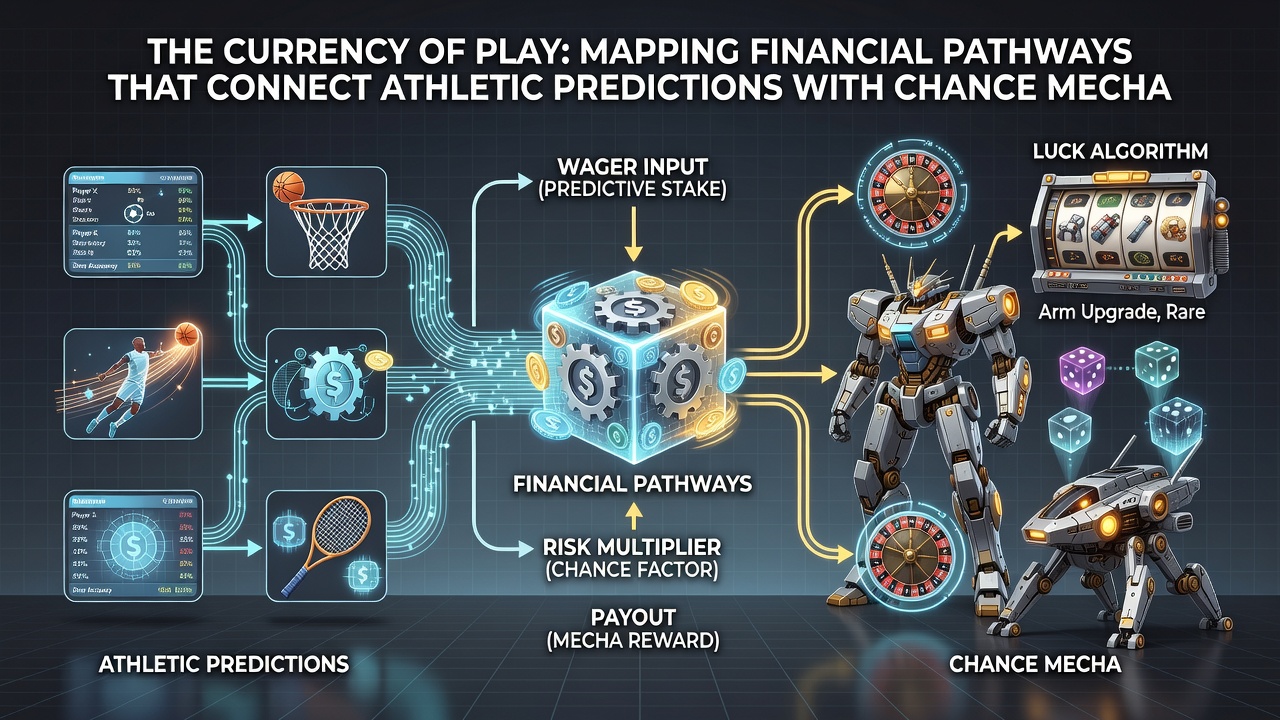
Case studies compiled by market analysts reveal that applications employing these linked promotions experience measurable increases in average session length because capital remains active rather than sitting idle after a sports outcome resolves. The pathways function through backend ledgers that tag funds according to origin yet allow universal spending once released, creating an internal economy where athletic results feed directly into chance-based play and vice versa.
Device-Level Mechanics and User Flow Data
Handheld operating systems support these financial connections through secure element chips and biometric authentication that authorize transfers between prediction modules and chance modules in under two seconds. Usage statistics gathered by independent research firms indicate that more than 65 percent of hybrid mobile sessions involve at least one cross-category fund movement within the first ten minutes of activity. Developers optimize these flows by pre-loading balance information from both sportsbooks and casino engines so that switching requires minimal additional taps or confirmations.
Observers tracking application telemetry note that payment velocity increases when users receive immediate visual confirmation that winnings from a prediction have become available for chance mechanics, reducing the impulse to withdraw funds externally. This design choice keeps transaction volume inside the platform and supports continued engagement across both athletic forecasts and random outcome features.
Conclusion
Financial pathways on handheld devices continue to evolve as operators refine the technical and regulatory frameworks that allow athletic predictions and chance mechanics to operate within shared monetary systems. Data released through mid-2026 demonstrates consistent growth in hybrid mobile usage across multiple jurisdictions, driven by seamless wallet integration and promotional designs that treat both categories as connected components of a single user experience. These structures rely on precise backend accounting and clear user disclosures to maintain compliance while supporting fluid movement of funds between predictive and random outcome segments.