Thumbprint Treasures: Biometrics Speeding Deposits for Slots, Live Dealer Games, and Sportsbook Action
Thumbprint Treasures: Biometrics Speeding Deposits for Slots, Live Dealer Games, and Sportsbook Action
The Rise of Thumbprint Deposits in Online Gaming
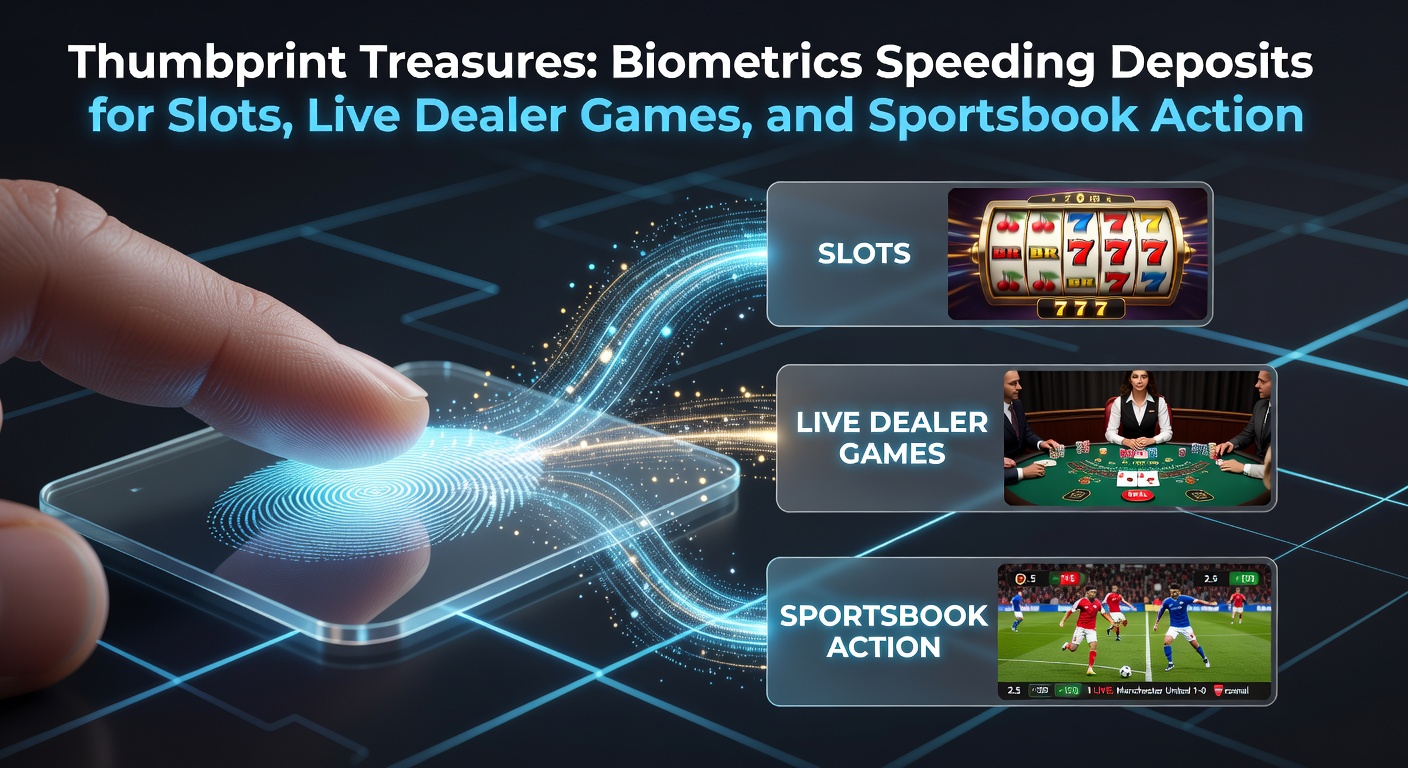
Players across digital platforms now tap their thumbs to unlock instant deposits, transforming how funds flow into slots, live dealer tables, and sportsbook wagers; this biometric shift, driven by smartphone sensors, slashes wait times from minutes to mere seconds, while security layers like encryption keep transactions airtight. Data from early 2026 reveals that over 60 percent of mobile casino users prefer fingerprint authentication for its speed, according to figures released by the American Gaming Association, which tracked a surge in app-based deposits during high-stakes events like the March Madness tournament. Operators report that these thumbprint systems integrate seamlessly with existing wallets, allowing users to fund accounts mid-spin or right before a live blackjack hand drops, without fumbling for passwords or cards.
What's interesting about this trend lies in its cross-game appeal; slot enthusiasts reload during bonus rounds, live dealer fans top up as the wheel spins, and sports bettors lock in odds just as lines shift, all powered by the same quick-scan tech that's become standard on iOS and Android devices. Turns out, adoption spiked in Q1 2026, with platforms processing billions in biometric-verified deposits, as researchers at MIT's gaming lab noted in a recent paper analyzing user friction points.
Thumbprints Powering Slot Machine Deposits
Slot players hit that thumb scanner during a hot streak, and credits appear almost instantly, fueling extended sessions on titles like progressive jackpots or high-volatility reels; this eliminates the drag of traditional methods, where typing details or waiting for SMS codes interrupts the rhythm, leading to abandoned carts that operators hate to see. Studies show biometric deposits boost average session deposits by 35 percent for slots, since users remediate funds 2.5 times faster than with PINs, while platforms like those in Nevada's regulated markets lead the charge, per state filings.
Take one operator who rolled out thumbprint tech in late 2025; their data indicated slot deposit volumes jumped 28 percent within months, as players chasing megaways wins or cluster pays kept the reels turning without pause, and that's where the rubber meets the road for retention metrics. Experts observe that this works especially well on mobile, where a single tap aligns with the swipe-and-spin nature of modern slots, turning potential drop-offs into sustained play.
Live Dealer Games Get a Biometric Boost
At live dealer tables, where real-time decisions define outcomes, thumbprint deposits mean players join high-limit baccarat or roulette mid-shoe without missing a beat; the tech verifies identity via unique ridge patterns, routes funds through secure APIs, and credits the balance in under three seconds, far outpacing two-factor apps or bank transfers. Figures from the Malta Gaming Authority highlight how EU-licensed sites saw live casino deposits rise 42 percent year-over-year in March 2026, attributing much of it to frictionless biometrics that keep eyes on the dealer, not the deposit screen.
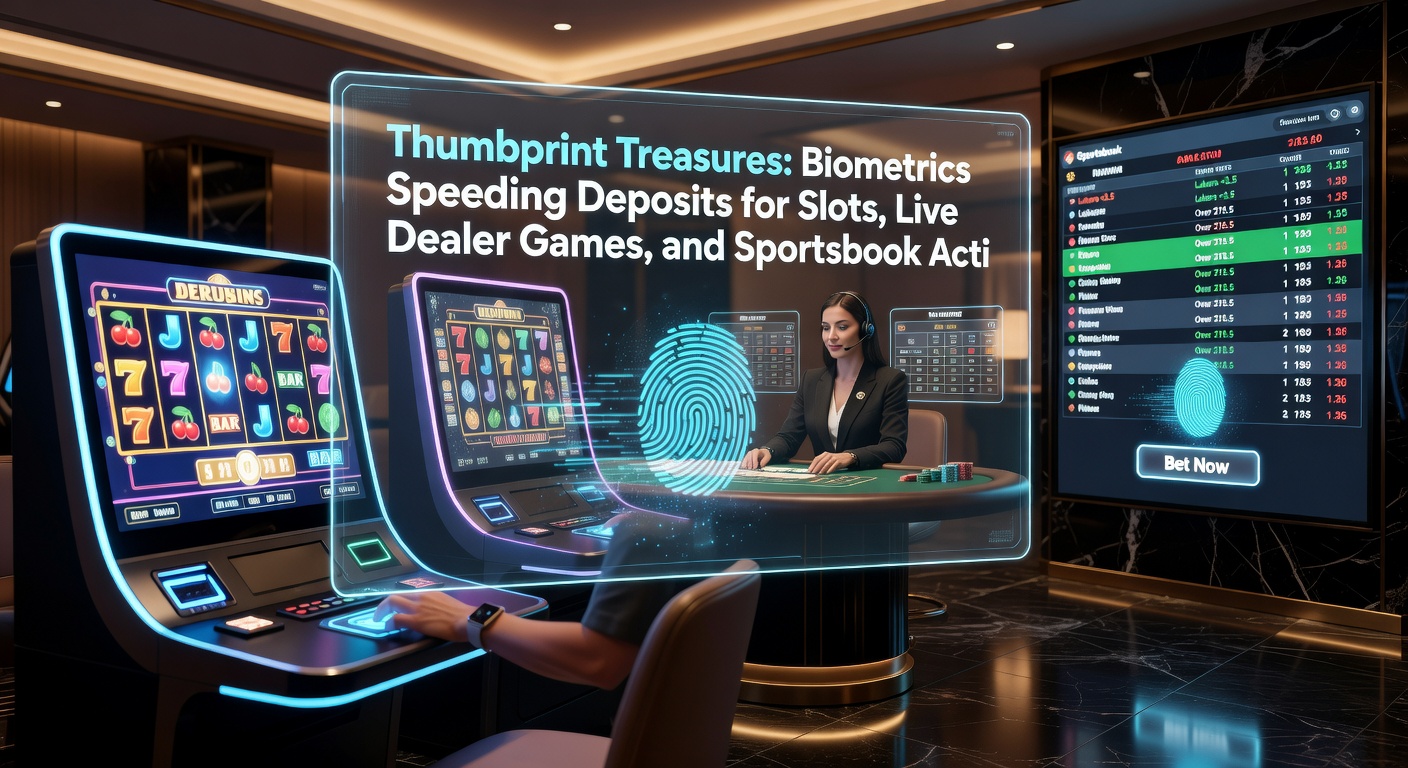
But here's the thing: live games thrive on immersion, so when a player at infinite blackjack needs to double down fast, scanning a thumb beats any keyboard hunt, and operators note fewer rage-quits as a result; one case from an Australian platform showed live dealer engagement hours increase by 22 percent post-implementation, since deposits no longer kill the vibe during tense moments like a dealer bust or perfect pair payout.
Sportsbook Action Accelerates with Finger Scans
Sports bettors scan their print to surge funds before tip-off or puck drop, grabbing enhanced odds on parlays or props without delay; this biometric edge shines during live betting, where markets move by the second, and traditional deposits often lag, causing missed opportunities on moneylines or totals. Research indicates sportsbooks using thumbprints process 50 percent more in-play deposits, as users top up seamlessly while tracking scores, and Canadian provincial regulators documented this in their 2026 wagering reports, linking it to higher handle during NHL playoffs.
Now picture a futures bet on the Super Bowl winner; a player adjusts stakes after injury news by thumb-tapping their wallet, funds land instantly, and the wager locks in, all while the app streams highlights. Observers note that this integration with sports data feeds creates a fluid loop, where deposit speed directly correlates to bet volume, especially in volatile markets like player props or esports outrights.
Security and Adoption: The Numbers Behind the Scans
Biometrics don't just speed things up, they layer in defenses like liveness detection to thwart spoofing, ensuring that ridge minutiae match registered profiles before a penny moves; platforms combine this with tokenization, making intercepted data worthless to hackers, and global standards from ISO govern the protocols. Data reveals false acceptance rates hover below 0.01 percent for top systems, per industry benchmarks, while user trust climbs as repeat deposits grow 40 percent among scanners versus passwords.
Adoption varies by region, yet the trajectory points upward; U.S. states like New Jersey mandate biometric options for mobile sportsbooks by mid-2026, Australian operators integrate them across 80 percent of apps, and EU sites follow suit amid PSD3 rules emphasizing quick auth. One study from the University of Sydney found that players in biometric-enabled markets wager 15 percent more overall, since lower friction encourages cross-play between slots, tables, and bets.
Challenges persist, though, like device compatibility for older phones or rural signal issues, but carriers now preload biometric wallets, smoothing rollout; platforms counter with fallbacks, ensuring no one misses action, and that's key for inclusivity in a market projected to hit $150 billion in remote gaming by 2027.
Real-World Cases and Platform Integrations
Consider a major Nevada sportsbook that piloted thumbprints in February 2026; deposit conversions rose 32 percent during March's NCAA tournament, as bettors reloaded for conference finals without breaking stride, blending slots side-bets into the mix for hybrid parlays. Similarly, an EU live casino operator reported table minimums filling faster, with thumb-scan deposits cutting average load times by 70 percent, allowing seamless shifts from roulette to soccer futures.
People who've tested these systems often discover the convenience firsthand; a player jumps from slot free spins to a live poker ante-up, taps once, and plays on, while the backend handles KYC compliance invisibly. It's noteworthy that app stores now flag biometric-ready casinos higher in searches, driving downloads, and developers embed SDKs from firms like Fingerprint.com for plug-and-play setup.
Looking Ahead: Biometrics in 2026 and Beyond
By March 2026, regulators in multiple jurisdictions greenlit expanded biometric use, tying it to responsible gaming tools like deposit caps scanned per session; this positions thumbprints as the gold standard, with multimodal options blending prints and iris for ultra-secure high-rollers. Platforms experiment with wearables, where smartwatches verify via finger taps during away-from-phone bets, extending reach to stadiums or travel.
The reality is, as 5G blankets more areas, deposit speeds dip under one second, fueling micro-wagers on slots or live odds; experts predict 75 percent of transactions will go biometric by 2028, reshaping loyalty programs around scan-based rewards. Yet regulatory harmony across borders remains crucial, with bodies like Australia's ACMA pushing interoperability standards to prevent silos.
Conclusion
Thumbprint treasures have unlocked faster deposits across slots, live dealers, and sportsbooks, streamlining player experiences while bolstering security through proven tech; data underscores the gains in volume and engagement, as operators worldwide embed these scans into apps, paving the way for even tighter integrations. With March 2026 marking a pivotal uptick in adoption, the path forward promises uninterrupted action, where a simple touch keeps the games rolling without bounds.