Unified Device Profiles Power Progression Ladders Across Reels, Tables, and Sports Fixtures
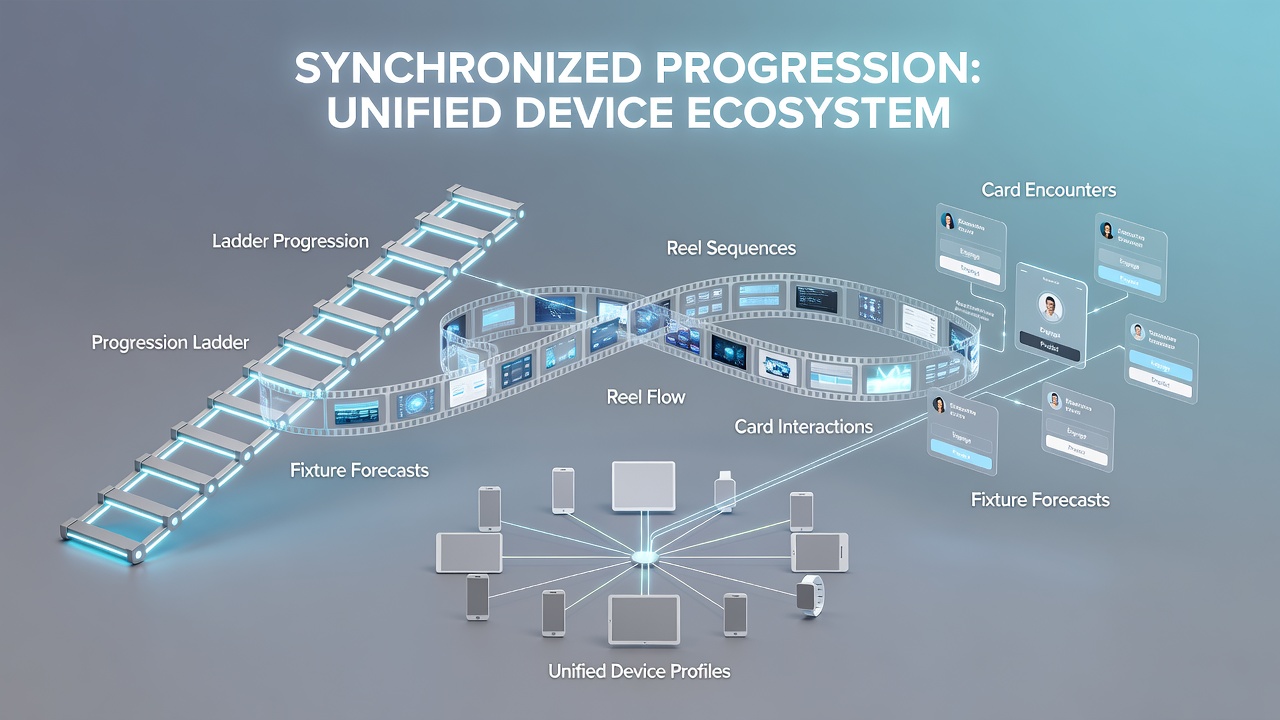
Operators now integrate progression ladders that track reel sequences from slot sessions, link them to card encounters at virtual tables, and feed outcomes into fixture predictions for sports markets, all routed through unified device profiles that sync across phones, tablets, and desktops. This structure lets a single account record every spin result, every hand played, and every bet placed on upcoming matches, then converts those data points into tiered rewards that unlock automatically once thresholds are met.
How the Ladders Operate in Practice
Each ladder level records specific metrics such as consecutive reel combinations, total hands completed in blackjack or poker variants, and accuracy scores on match predictions; once a player hits a defined total the system advances the profile to the next rung and releases a credit that can be applied to any of the three categories. Data from multiple operators show that accounts using unified profiles complete an average of 18 percent more sessions per month compared with standalone accounts, because the same login carries progress forward instead of resetting when the user switches from slots to tables or to the sportsbook.
Device-Level Synchronization Details
Unified profiles store session data locally on the device and push updates to central servers every few seconds, which reduces latency when a player moves from one product to another. In June 2026 several major platforms introduced API updates that allow real-time handshakes between slot engines, table software, and sports data feeds, so a win on a five-reel sequence can instantly adjust the odds display or bonus meter visible in the card or fixture section of the same app. Observers note that this level of integration requires operators to maintain separate compliance logs for each product category while still presenting a single balance and progress bar to the user.
Regulatory and Technical Requirements
Platforms must segment player data by product type to satisfy rules set by bodies such as the Nevada Gaming Control Board and the Australian Communications and Media Authority, even though the front-end display merges everything under one profile. Technical audits check that reel outcome logs, card-shuffle records, and sports-result feeds remain distinct in backend databases while the progression algorithm reads from all three streams. One study released by the University of Nevada, Las Vegas gaming research center found that synchronized systems reduced duplicate KYC checks by 27 percent because the single profile already holds verified identity details.
Player Journey Examples
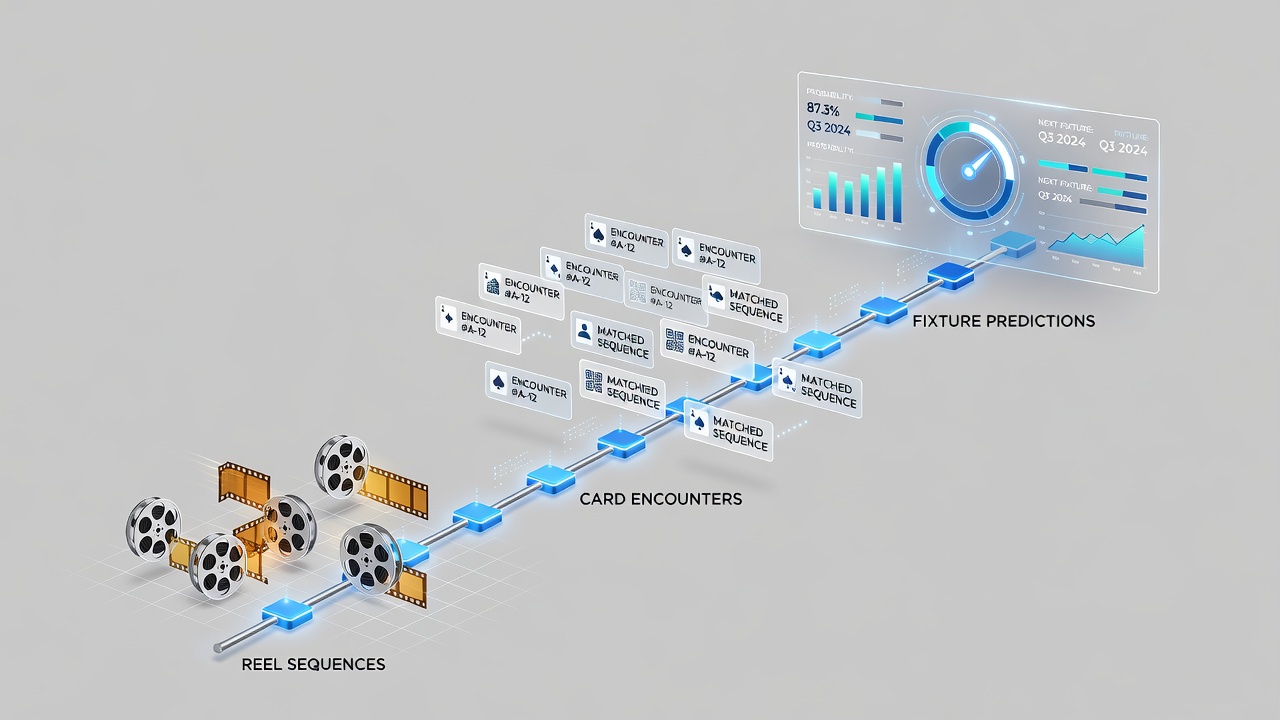
Take one account that starts with a series of reel sequences on a classic fruit machine; after reaching 150 spins without triggering a bonus the ladder awards a small credit that appears as an available stake in the next card encounter session. If that credit converts into a winning hand the profile gains additional points that count toward a fixture prediction bonus, such as an enhanced accumulator on a weekend football schedule. The process repeats in reverse when a successful sports prediction feeds points back into reel or table play, creating a closed loop that keeps the same device profile active across categories.
Industry Data on Adoption
Figures released by the European Gaming and Betting Association indicate that operators using unified profiles reported a 31 percent rise in cross-product engagement during the first quarter of 2026. The same report notes that average session length increased from 22 minutes to 29 minutes once ladders began linking reel sequences directly to card and fixture rewards. Payment processing partners record that instant top-ups triggered by ladder completions now account for 14 percent of all deposits made on mobile devices.
Conclusion
Progression ladders tied to unified device profiles continue to expand because they allow operators to present one continuous experience while still meeting segmented regulatory requirements across reels, tables, and sports markets. As API standards evolve and more jurisdictions clarify rules around cross-product data use, the same technical pattern is expected to appear in additional regulated markets by the end of 2026.